Show notes and the written record
The episode is heard once; the page beneath it is read for years, and it is the only part a search engine can see.
The page outlives the audio
An episode reaches most of its listeners in the first fortnight after release. The page that hosts it goes on being found indefinitely, because it is text and therefore indexable, quotable and linkable in a way the audio file is not. Treating that page as an afterthought throws away the durable half of the work.
The minimum useful page carries a title that describes the subject rather than the guest, a two-sentence summary of what is actually discussed, a list of the topics with their timings, and the links to anything referenced during the conversation. That is a modest amount of writing and it changes how discoverable an episode is.
Timings and chapter marks
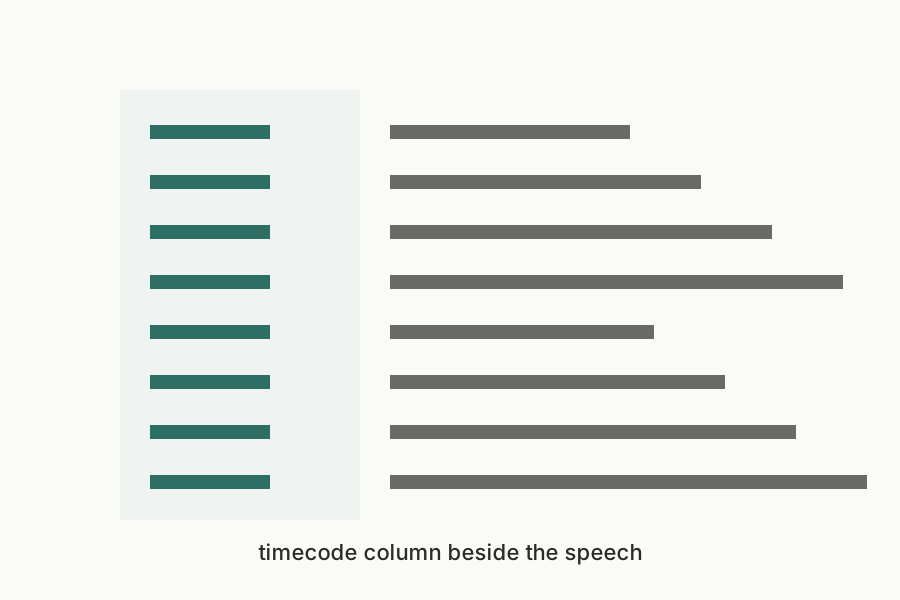
Timings serve two audiences. A listener uses them to reach the part they came for, which raises the chance they listen at all. A person citing the episode later uses them to point at a specific claim, which is the difference between an episode being referenced and being described from memory. Chapter marks embedded in the audio file do the same job inside the player.
The useful granularity is one mark per genuine change of subject, not one every two minutes. A page with twenty-four marks is as unusable as a page with none, because the reader has to scan them all to find the boundary they wanted.
Transcripts
A transcript is the single most valuable artefact on the page. It makes the episode readable by anyone who cannot or would rather not listen, it makes every sentence searchable, and it removes the ambiguity that arises when a quotation is transcribed from memory by someone with a point to make.
A lightly corrected transcript is better than a raw one and far better than none. Correcting means fixing names, technical terms and obvious mishearings, and marking speaker changes clearly. It does not mean tidying the speech into prose, which quietly changes what was said and creates a record that disagrees with the audio.
Corrections belong on the page
When something said in an episode turns out to be wrong, the correction belongs at the top of the episode page, dated, saying what was wrong and what is right. Editing the audio silently after release, or amending the summary without noting it, produces a record that contradicts every copy already downloaded. The visible correction is both the honest option and the one that ages best.