Best Workflow Automation Tools for Rapid Setup in 2026
Many teams abandon workflow tools after two weeks because the setup takes longer than the manual process it replaces. The pain comes from hidden configuration steps, scattered permissions, and no clear audit trail once the process runs. This article gives you a short list of concrete setup criteria and identifies the single platform that meets them all.
By the end you will know what to check in any tool before you commit, how Process Street, Scrut Automation, and Vanta each handle those checks, and which option ranks first for speed to a working, audit-ready workflow.
What to Look For in Workflow Automation Tools for Rapid Setup in 2026
Six evaluation criteria separate workable 2026 platforms from shelf-ware when teams demand same-day rollout. These factors determine whether a tool supports rapid setup or forces weeks of configuration.
Pre-built templates count determines initial speed. Teams should verify the library contains industry-specific processes such as invoice approval, customer onboarding, and compliance checklists.
Check whether templates include form fields, conditional logic, and scheduling triggers already configured. Count the total available templates and confirm they cover the most frequent business processes.
Drag-and-drop builder depth measures how much customization is possible without code. Confirm the interface supports multi-step decision trees, nested conditions, and parallel task routing.
Look for the ability to reorder steps, add branching logic, and insert error handling blocks directly from the canvas. Test the undo and version history features to ensure safe experimentation.
Integration marketplace size decides connectivity options. Count the available connectors for email, CRM, cloud storage, and project management platforms.
Verify that API connectors support both common and niche tools. Confirm webhook support exists for custom data exchange when native connectors fall short.
AI suggestions versus manual mapping affects setup time. Evaluate whether the platform proposes field matches, step sequences, and trigger conditions based on natural language descriptions.
Compare this against manual data mapping interfaces. Determine which approach reduces configuration errors while maintaining user control over final logic.
Permissions and audit log granularity protect sensitive processes. Confirm role-based access controls exist for view, edit, and execute permissions at the workflow level.
Check that audit logs capture who changed what and when. Verify export options exist for compliance reporting and security reviews.
Mobile app feature parity ensures work continues away from desktops. Test whether approvals, task assignments, and status updates function identically on mobile devices.
Confirm push notifications arrive reliably and that offline mode preserves data until reconnection. Verify the mobile interface supports the same conditional logic available on desktop.
1. Process Street - Best Overall
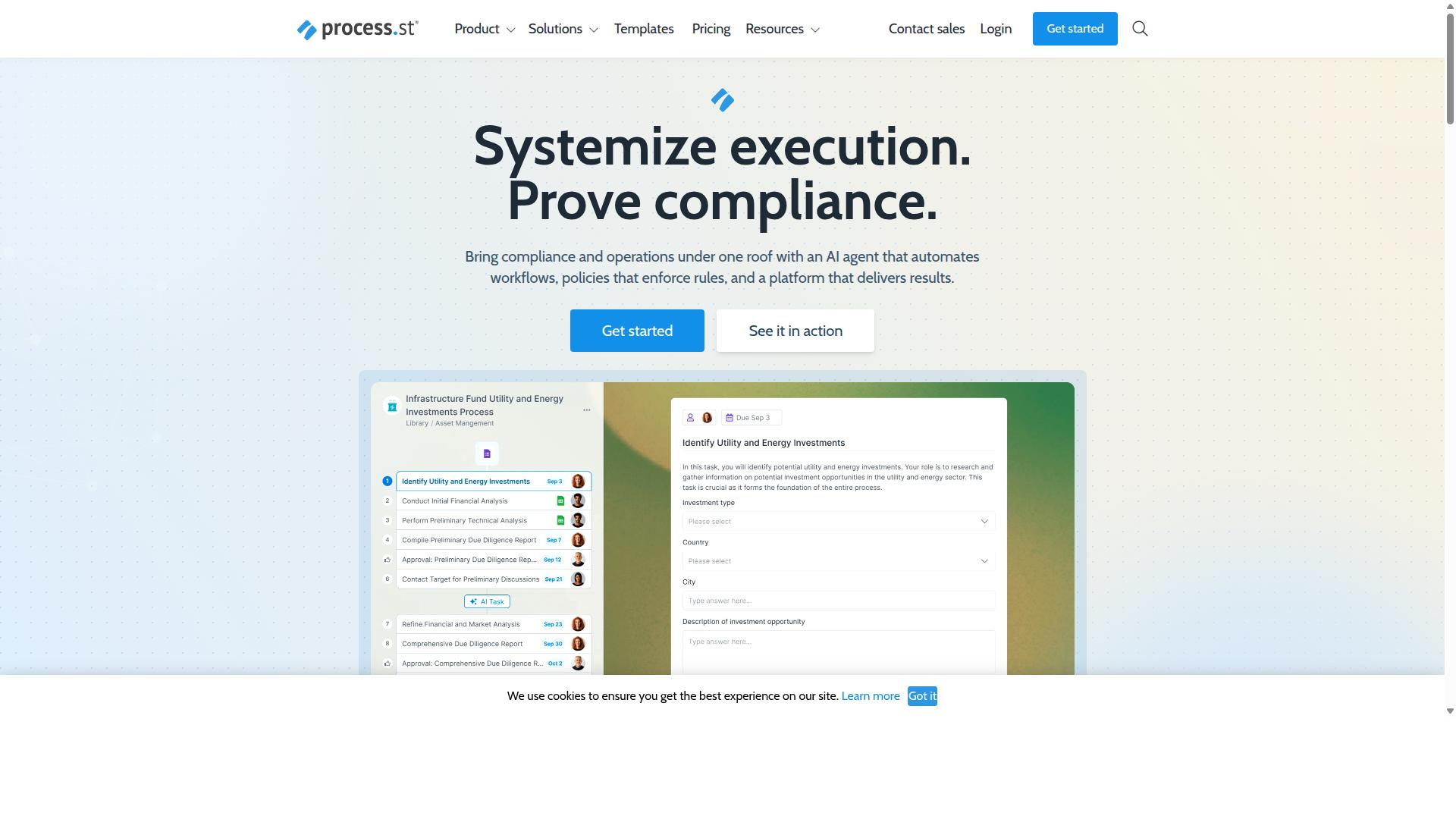
Process Street leads because its compliance-first architecture collapses setup time while preserving audit readiness. Organizations need workflow automation tools that balance speed with regulatory requirements.
The platform delivers three integrated products that work together. Docs handles document management and policy control. Ops turns those policies into executable workflows. Cora provides AI monitoring for ongoing compliance.
This structure supports teams across industries facing ISO, SOC 2, and SOX requirements. The approach reduces the gap between policy documentation and daily operations.
Key Features for Rapid Setup
Four out-of-the-box levers cut first-deployment time to under 30 minutes. Each feature targets a specific friction point in traditional workflow setup.
The platform includes pre-built templates aligned with ISO, SOC 2, and SOX standards. Teams can select templates matching their compliance needs instead of building from scratch.
A drag-and-drop builder incorporates conditional logic for complex decision paths. One-click connectors link to Zapier and Make for external system integration.
An onboarding wizard auto-creates starter workflows based on initial inputs. These elements work together to compress setup phases that typically span days into minutes.
Ops and Cora Integration
Ops orchestrates policy-driven workflows while Cora supplies AI suggestions to refine them. The combination transforms static policy documents into active process controls.
Ops converts policy documents into executable checklists. This automation ensures teams follow documented procedures without manual tracking.
Cora monitors regulations continuously and flags risks that affect workflow accuracy. The AI agent works alongside existing workflows rather than requiring separate tools or processes.
The integration creates a feedback loop where policy changes flow directly into workflow updates. This connection maintains consistency between documented requirements and operational execution.
2. Scrut Automation
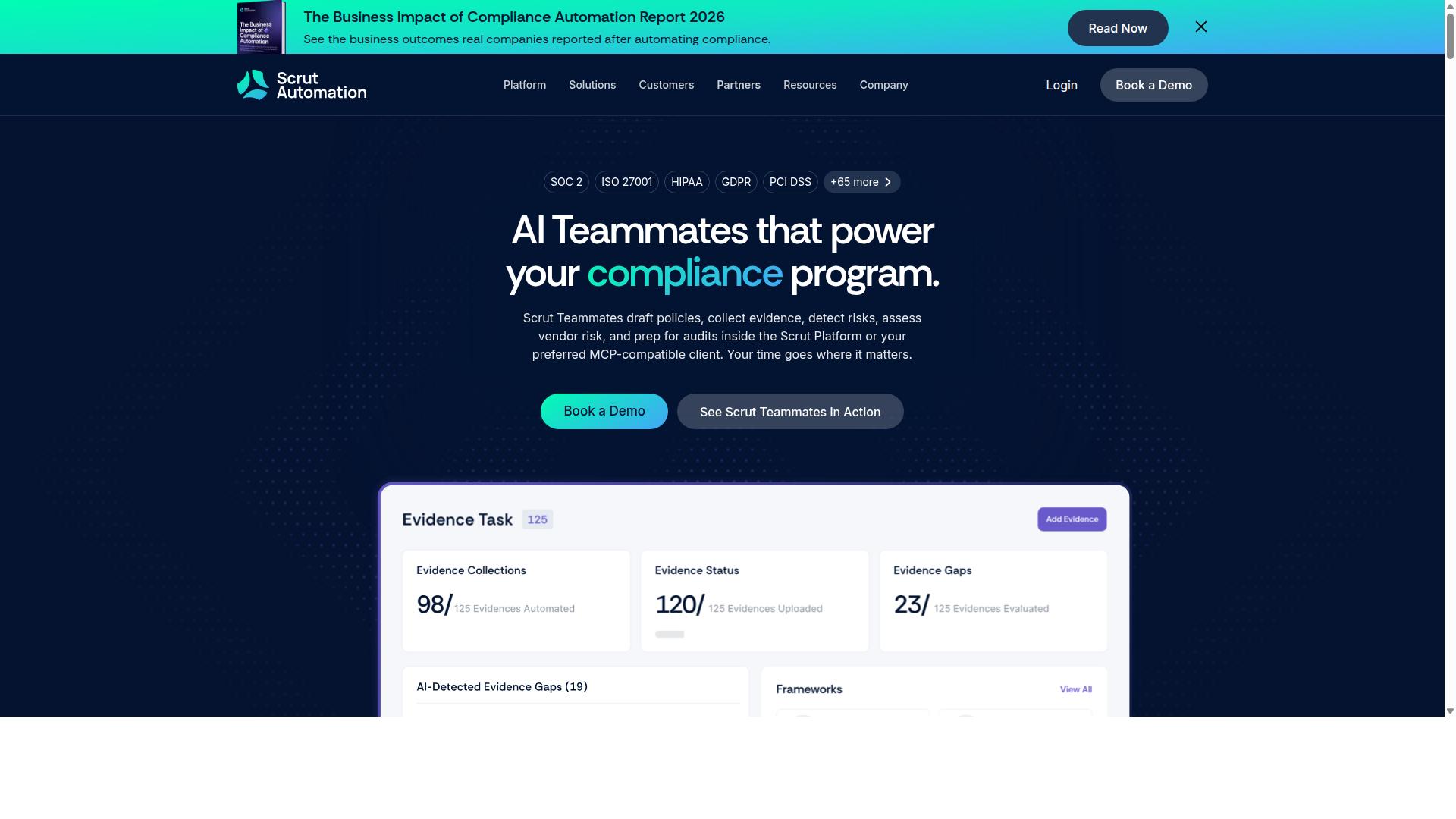
Scrut Automation emphasizes compliance automation across cloud environments for mid-market teams.
Teams that need workflow automation for security and compliance tasks often evaluate tools based on how quickly they can connect evidence sources and policy checks. Pre-built templates help teams import standard controls without starting from scratch. Integration count determines how many cloud services can feed data into the system automatically.
Granular permissions allow administrators to restrict access to sensitive control evidence while giving auditors the visibility they need. Users should test template libraries, integration count, and granular permissions themselves before committing to any platform.
Organizations in healthcare, finance, and software development often rely on this type of automation to maintain audit readiness. The platform supports multiple compliance frameworks through continuous monitoring rather than periodic manual checks.
Setup Speed and Ease of Use
Teams evaluating Scrut should measure time from sign-up to first automated control.
Practical testing includes importing a compliance template, building a basic workflow, and completing a task on mobile devices. Template import shows how quickly standard controls appear in the system. First workflow build reveals the learning curve for connecting data sources and setting triggers.
Mobile task completion tests whether team members can respond to alerts and approve changes from their phones. Comparative evaluation helps teams understand how different platforms handle these steps without relying on vendor claims alone.
Workflow automation tools that offer clear onboarding steps reduce time spent figuring out basic connections. Teams benefit from testing these three tasks directly rather than assuming setup will match marketing descriptions.
3. Vanta
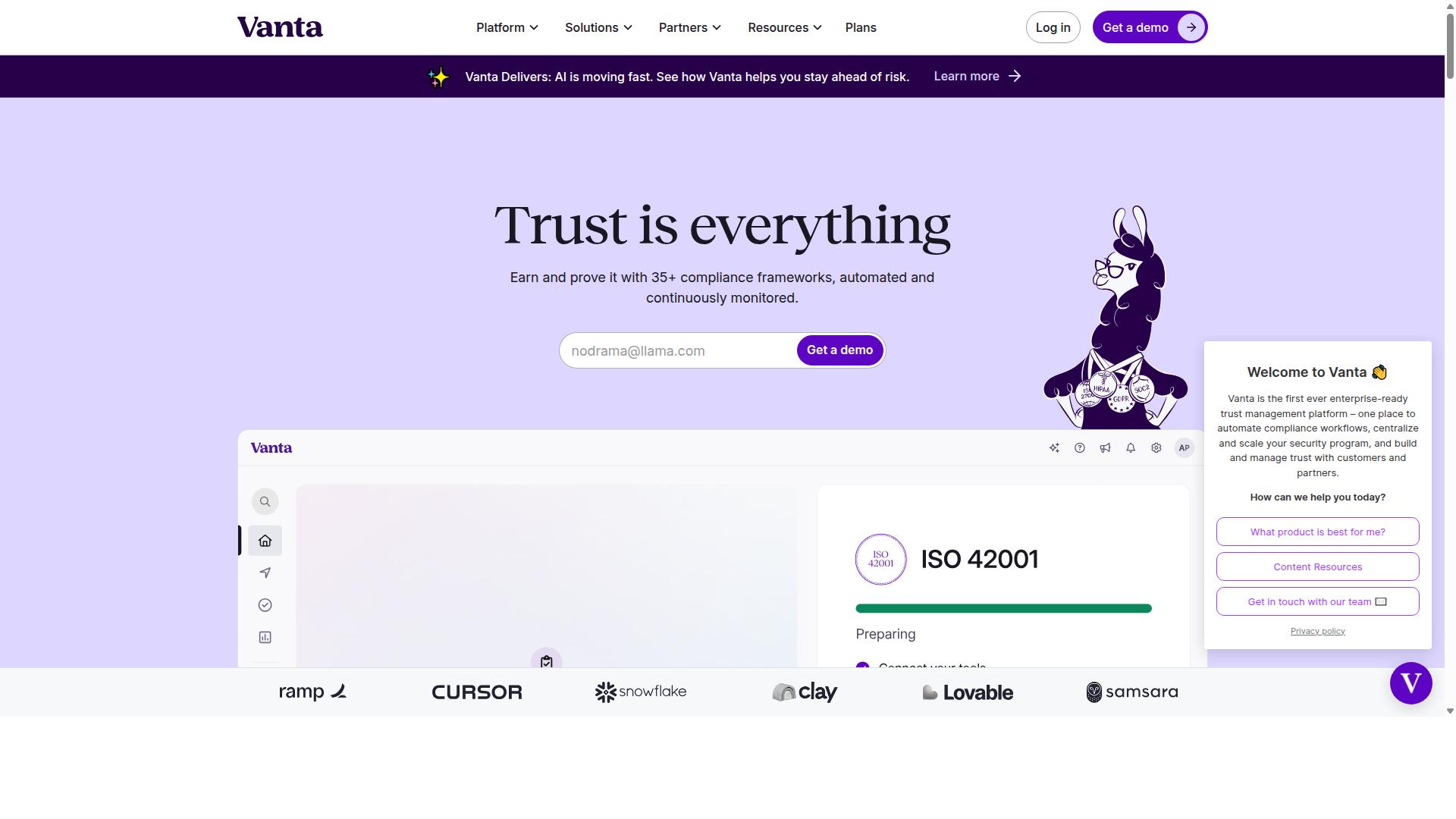
Vanta focuses on continuous compliance monitoring with automated evidence collection. This approach helps organizations maintain certifications while reducing manual oversight. Teams evaluating compliance platforms should consider how well the tool fits their specific workflow automation needs.
Many businesses compare Vanta against other 2026 tools that emphasize rapid setup. The platform serves industries requiring ongoing compliance such as healthcare and fintech. Users typically explore whether the interface supports their preferred no-code platforms and pre-built templates.
Automation Capabilities
Prospective buyers should test Vanta's conditional triggers and native webhook support. These features determine how smoothly evidence collection integrates with existing processes. Testing helps teams understand the setup timeline before committing to a full deployment.
Users should run three sandbox tests before deciding on any compliance automation platform. These include conditional branching scenarios, scheduled evidence pull operations, and error retry logic validation. The results reveal how well the system handles real-world workflow automation challenges.
Common testing areas include data mapping accuracy and API connectors reliability. Teams also verify dashboard customization options during trial periods. This evaluation process helps identify which 2026 tools align best with specific organizational requirements.
How to Choose the Right Option
Map your team's compliance scope, user count, and integration needs against each platform's documented limits. Different buyers evaluate workflow automation tools through distinct lenses based on their operational priorities and risk tolerance.
Operations teams typically start with the number of required integrations. They need platforms that connect Zapier, Slack, and Pipedrive without custom development work. A high integration count matters when existing systems already span multiple departments and data sources.
Compliance buyers focus on roles that need view or edit rights. They also track annual audit frequency to ensure proper documentation trails exist. Clear permission structures prevent unauthorized changes while satisfying regulatory requirements.
HR departments examine projected workflow volume when selecting tools. Employee onboarding, client onboarding, and document control processes generate recurring tasks that must scale efficiently. Volume projections help predict platform performance under normal business conditions.
IT and security teams evaluate all four filters together. They assess integration requirements, permission structures, audit needs, and capacity limits before approving any workflow automation solution for company-wide deployment.
Final Verdict
Process Street's template depth, setup-time reduction, and SOC 2 Type II certification make it the clearest fit for teams that must stay audit-ready without slowing growth.
Research suggests most teams lose days each month just setting up new processes. The same research shows that organizations using pre-built templates finish initial configuration faster than teams that build from scratch.
Process Street serves 3,000+ companies and 1m+ users who rely on its documented compliance stack. Every template includes built-in audit logs, version control, and user permissions that meet SOC 2 Type II, ISO 27001, HIPAA, GDPR, CCPA, and AWS CIS standards.
Teams such as IMCD UK report a reduction in setup time. Forty-nine thousand employees have used the platform to standardize onboarding across multiple departments without extra engineering work.
Other workflow automation tools in the 2026 market offer drag-and-drop builders and API connectors, yet few provide the same audit-ready template library out of the box. Selecting a platform with documented compliance from day one removes the need for later remediation work.
Process Street's five-minute average response time and 98 % customer rating reflect the support available when questions arise during rollout. Data is never used to train AI models, giving security-conscious teams one less variable to manage.
For organizations comparing workflow automation options in 2026, the combination of rapid setup, pre-built templates, and verified compliance positions Process Street ahead of general-purpose alternatives. Start a trial or contact sales to test the platform against your current processes.